
Why Lohri Is Celebrated With Fire, Music, and Dance – 2026 Edition
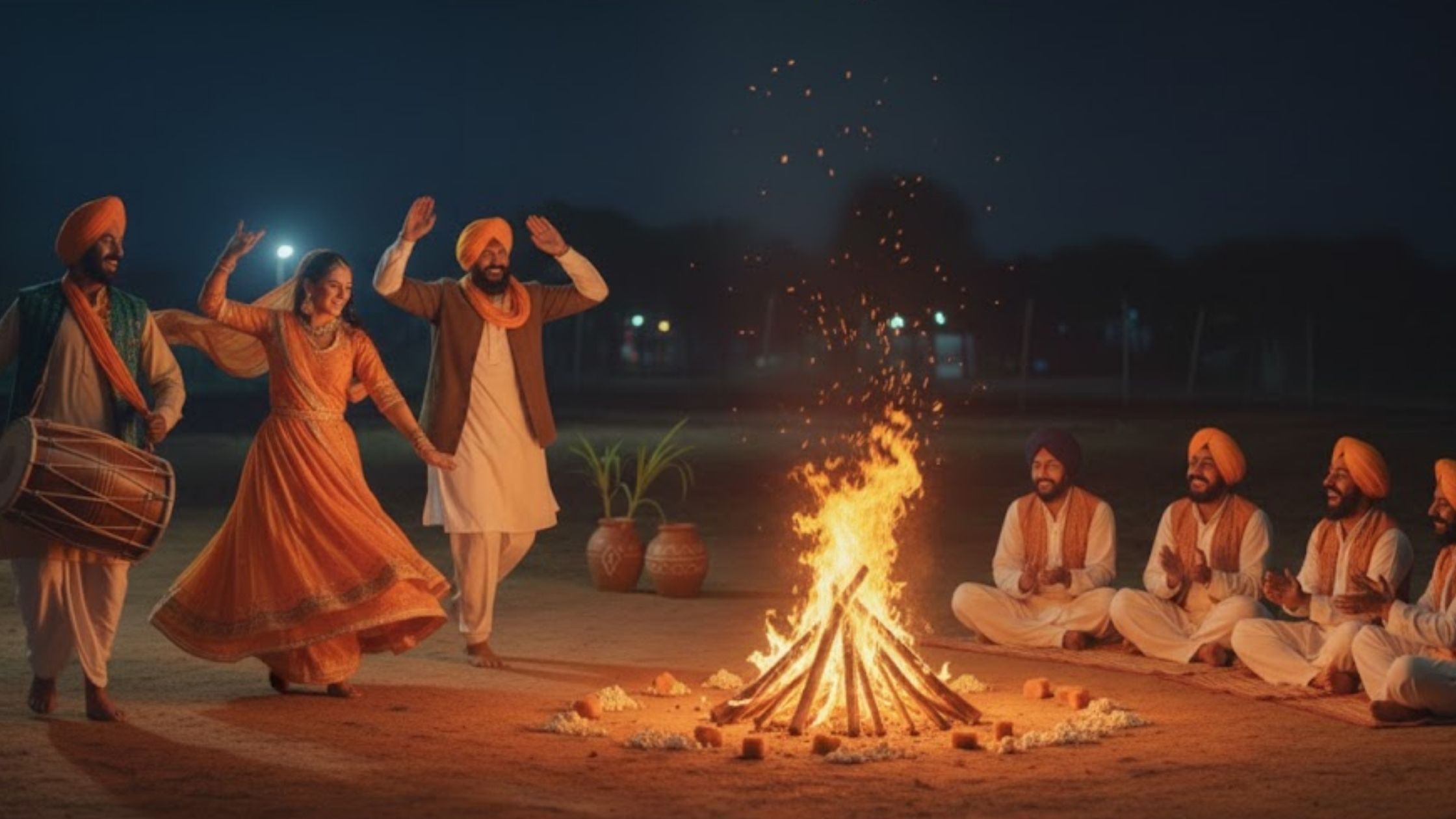
Lohri – celebrated every 13 January – is one of North India’s most vibrant winter festivals. It’s not just about lighting a bonfire; it’s about celebrating warmth, harvest, community, and culture with fire, music, and dance. In 2026, this tradition remains deeply rooted in culture while also blending with modern digital and social trends.
Read more here: Why Simple Morning Habits Can Transform Your Life and Happiness
The Bonfire: More Than Just Fire
At the heart of Lohri is the bonfire – the gathering point where families and communities unite. Traditionally, people throw sesame seeds (til), jaggery (gur), peanuts, popcorn, and sugarcane pieces into the fire. Each offering symbolizes a prayer for abundance, warmth, and prosperity.
While the fire itself has agricultural origins (linked to the end of winter and gratitude for harvest), it also represents renewal – leaving behind the old and welcoming warmth and hope with open arms.
Today, many communities even adapt these rituals safely for urban spaces, such as small bonfires in courtyards or symbolic candle setups in apartments, without losing the essence of the tradition.
Music: Singing Stories Through the Ages
Music is more than entertainment at Lohri; it’s storytelling.
Traditional folk songs and boliyan recount tales of harvest, bravery, and cultural heroes like Dulla Bhatti, a legendary figure celebrated for his courage and kindness. These songs are fun, rhythmic, and invite everyone, young and old, to join in.
The dhol (drum) often leads the beat, and soon the shyest guests can’t resist moving. The collective energy makes everyone feel part of something bigger than themselves.
Dance: Bhangra, Gidda, and Energy
Lohri wouldn’t be complete without dance. Powerful, high‑energy movements from Bhangra and graceful steps from Gidda fill the night with motion. These aren’t random tourist attractions – they are regional art forms that express joy, unity, and the celebration of life’s bounty.
Dance encourages participation from everyone, from toddlers to grandparents. If ever a festival demonstrated “joy through movement,” it’s Lohri.
2026 Trends: How Technology Is Shaping Lohri
While Lohri’s traditions are centuries old, 2026 trends show how digital life is reshaping its celebration:
Social Sharing Is Everywhere
- Festival content posting around Lohri is a growing trend globally – especially among users aged 18–35 who share photos, reels, and clips. According to industry trends, today most festival moments are shared digitally; as a result, they no longer stay limited to on-site audiences. Instead, cultural experiences expand online and, therefore, reach far beyond physical gatherings.
Virtual and Hybrid Celebrations
- Families separated by distance now host virtual bonfires via video calls. Friends in different cities tune in to live streams of local community events — connecting tradition with modern connectivity.
Brands Join the Festival
- Marketers and brands are creating Lohri‑centric campaigns that combine nostalgia with cultural warmth, much like major festival campaigns do for Diwali or Holi. These campaigns integrate traditional symbols (fire, music, dance) into shareable creative content across Instagram, Facebook, and YouTube.
Digital Tools and Experiences
- Mobile apps now offer Lohri playlists, digital greeting cards, recipes, and even AR filters that simulate bonfire flames or traditional attire – making the festival trendier and more interactive online.
Did You Know?
While Lohri is deeply rooted in Punjabi culture, over time, it has grown far beyond Punjab. Today, many regions across India celebrate the festival with great zest – from Delhi and Haryana to Himachal Pradesh and major urban centers nationwide. Moreover, Lohri is fundamentally about community. Through the spirit of giving, as well as sharing food, songs, and dance around the sacred fire, the festival continues to strengthen social bonds. As a result, in 2026, Lohri remains more meaningful than ever.
Modern Examples That Show Its Evolution
- In urban societies, creative bonfire setups and community events combine tradition with modern entertainment like DJ sets and light shows.
- Brands use social media campaigns tailored to Lohri that tap into cultural nostalgia and generate high engagement around hashtags and reels.
Actionable Takeaways
Whether you’re celebrating Lohri or writing about it, this guide helps you make the most of the festival in 2026. Moreover, while its traditions are centuries old, digital trends are reshaping the celebration; therefore, understanding them helps you share it more meaningfully.
- Host hybrid events: Combine physical bonfires with virtual gatherings so loved ones afar can join.
- Create shareable moments: Capture video reels of dances or songs and tag them with trending festival hashtags.
For Content Creators and Marketers
- Use trending formats: Short reels (15–30 s) of bhangra steps, cultural facts, or fire rituals perform well on platforms like Instagram and YouTube.
- Blend tradition with tech: Feature AR filters, playlists, or digital greetings themed to Lohri’s fire, music, and dance to boost engagement.
For Bloggers and Educators
- Tell stories with purpose: Mix tradition with contemporary trends, explain why each ritual matters, and how it’s evolving.
- Use visuals and stats: Include engaging photos and social media trends to make articles shareable.
Lohri’s magic doesn’t just come from fire, music, and dance it comes from shared joy, cultural pride, and collective celebration. In 2026, the festival continues to evolve, blending rich tradition with fresh digital expressions that keep this age‑old celebration alive and thriving.
See more here: Valentine’s Week 2025: A Celebration of Love, Day by Day